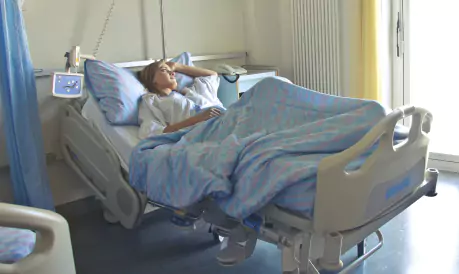
Nearly 1 in 4 patients who are admitted to hospitals in the U.S. will experience harm, according to a study published Wednesday in the New England Journal of Medicine.
The stark findings underscore that, despite decades of effort, U.S. hospitals still have a long way to go to improve patient safety, experts say.
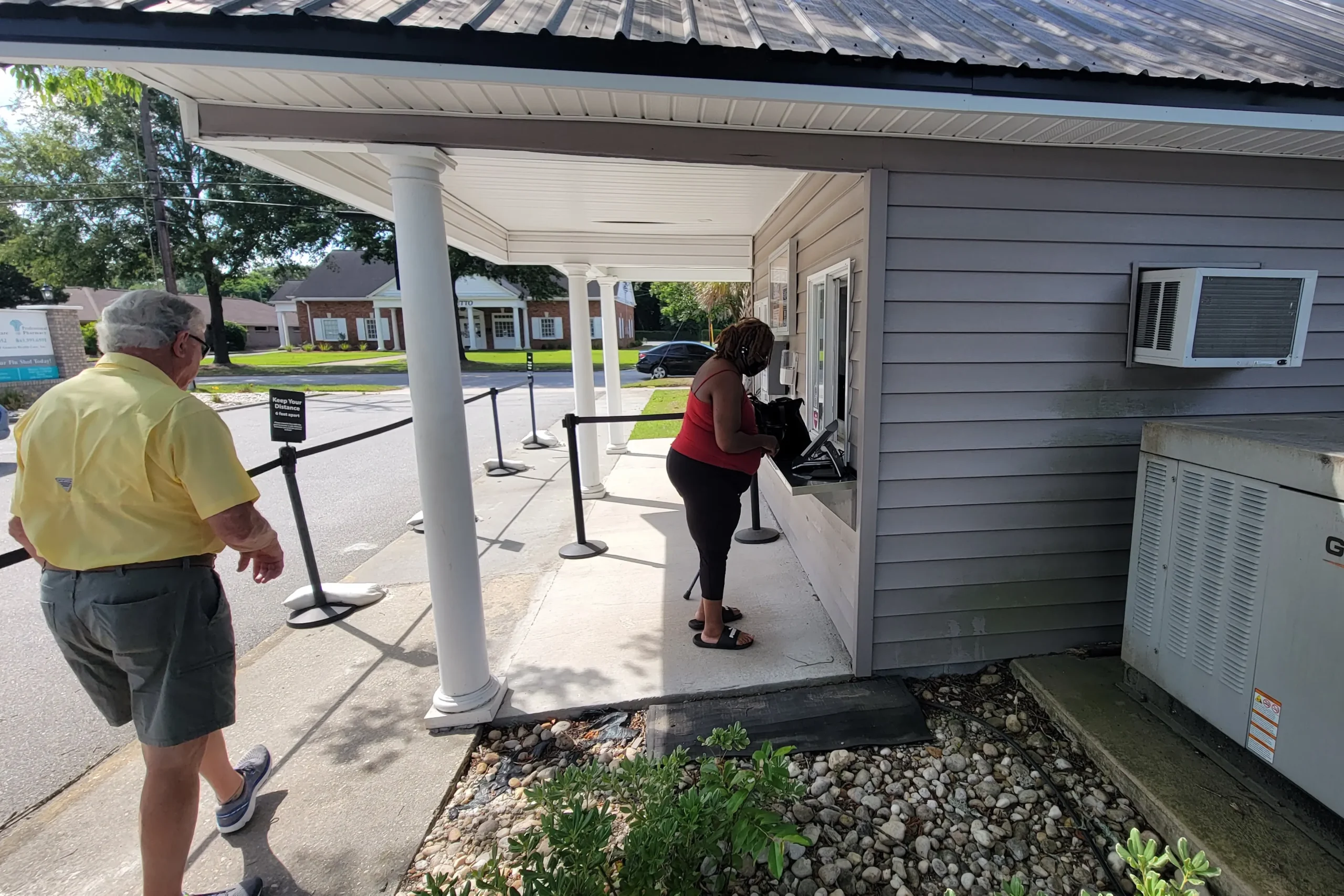
The federal government pumped more than $6 billion in basic funding grants last year into 1,375 privately run centers around the country, which provide primary care for more than 30 million mostly low-income people. In 2021, the American Rescue Plan Act provided an additional $6 billion over two years for covid-19 care.
These community health centers must take all patients regardless of their ability to pay, and, in return, they receive annual government grants and higher reimbursement rates from Medicaid and Medicare than private physicians.
Yet a KHN analysis found that a handful of the centers recorded profit margins of 20% or more in at least three of the past four years. Health policy experts said the surpluses alone should not raise concerns if the health centers are planning to use the money for patients.
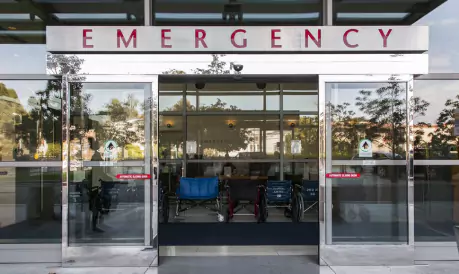
The rate of emergency room visits has increased significantly over recent decades in the U.S., rising from 360 visits per 1,000 residents in 1995 to 445 in 2017, according to a report released recently by Autoinsurance.org.
According to the report, admitted patients in the nation’s capital wait a median of 286 minutes for their room in the hospital.
These 10 states have the longest median wait times for admitted patients:
Jacob Masters had been drifting around Southern California for months when he began suffering a mental breakdown.
On Oct. 27, 2017, Redondo Beach police took him to the Kedren Community Health Center in South Los Angeles, where he was placed on an involuntary hold.
He would never leave.
A week into his stay, Masters was strangled in his room. Another patient — psychotic and suicidal, according to hospital records — has been charged with murder.